
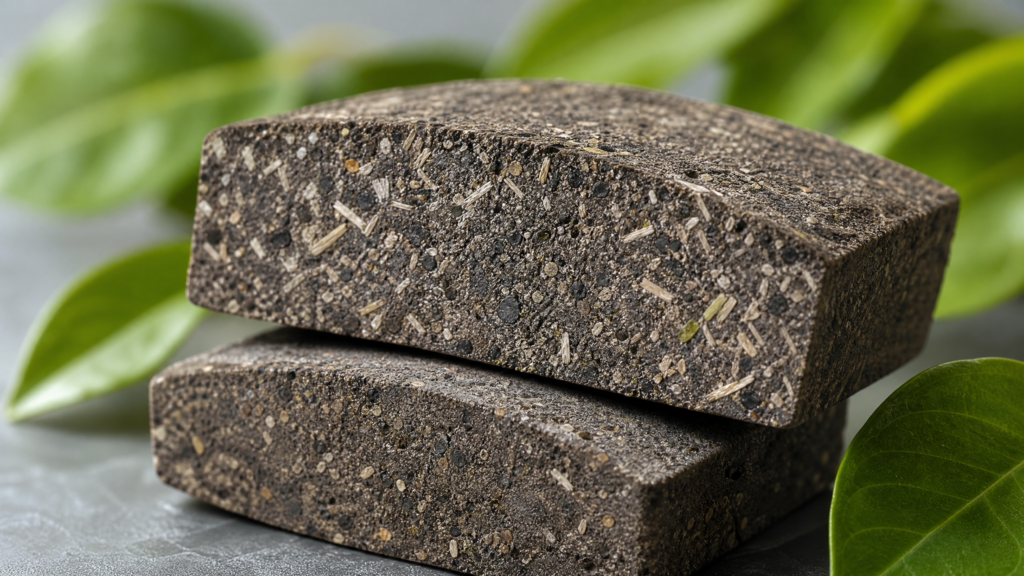
With the growing global awareness of environmental protection, dust pollution generated by automotive braking systems has attracted widespread attention. In particular, the copper element in friction materials can wash into rivers with rainwater after brake wear, causing severe damage to aquatic ecosystems. Consequently, states like California and Washington in the US have pioneered regulations limiting the copper content in brake pads, driving a global surge in the research and development of copper-free friction materials.
Copper offers excellent thermal conductivity, lubricity, and friction stability in traditional friction materials. Completely replacing copper poses a significant challenge for formulation engineers. The current R&D trend involves using composite materials to compensate for the performance loss caused by the absence of copper. For example, aramid fibers, potassium titanate whiskers, and novel carbon materials are used to enhance the wear resistance and thermal stability of the material.
Copper-free friction materials must not only comply with stringent environmental regulations but also match or exceed traditional formulations in braking performance, noise control, and service life. For friction material manufacturers, mastering copper-free formulation technology is not just about fulfilling environmental responsibilities; it is the essential pathway to gaining access to high-end markets in North America and Europe.